
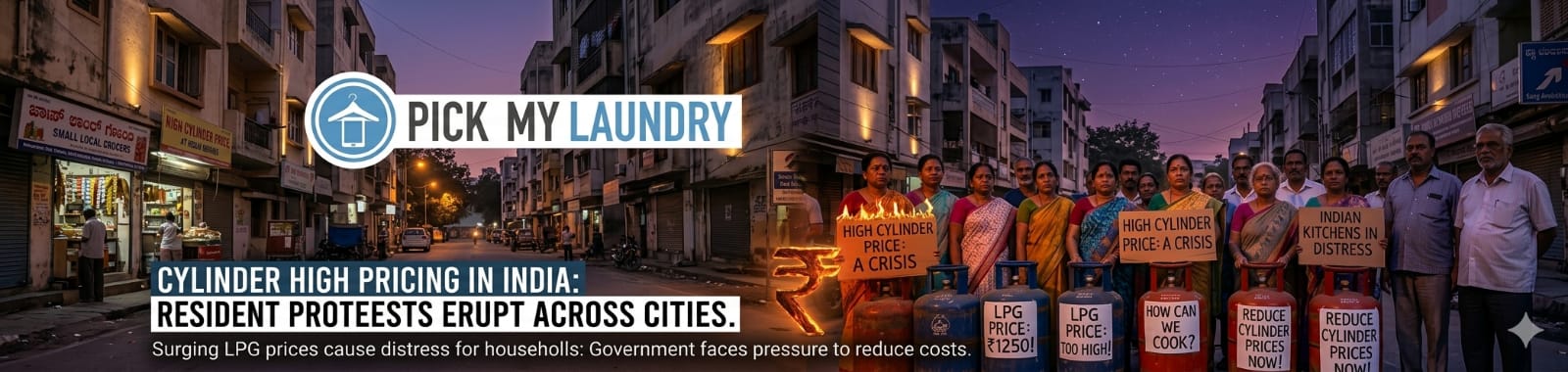
India’s LPG Crisis: Long Queues and Supply Shocks as West Asia Conflict Escalates
The world stands at a dangerous crossroads as of March 12, 2026. What began as a localized regional dispute has rapidly escalated into a full-scale military confrontation in West Asia, sending shockwaves through the global economy and hitting the pockets of everyday citizens in India.
Military Escalation: Missiles Over Jerusalem and Tehran
On Thursday, the Israeli military confirmed that a massive barrage of Iranian missiles was intercepted over Israeli territory. Air defense sirens echoed through Jerusalem as residents were urged to seek immediate shelter.
In a swift and "wide-scale" retaliation, Israel launched strikes targeting key infrastructure in Tehran and Hezbollah strongholds. This marks a significant escalation in a conflict that has been simmering for months. From Washington, President Donald Trump warned that Iran is "at the end of the line," suggesting that further American intervention could leave the nation "almost impossible to rebuild."
The international community is scrambling to contain the fallout. The UN Security Council recently passed a resolution (13 votes to 0, with two abstentions) demanding an immediate end to Iranian aggression against Gulf states, including Saudi Arabia, the UAE, and Jordan. The resolution labels these attacks a "serious threat to international peace."
The Impact on India: LPG Shortages and Empty Shelves
While the missiles fly in West Asia, the economic fallout is being felt most acutely on the streets of India. Because the conflict has choked the Strait of Hormuz—the world’s most vital transit route for oil and gas—India is facing a severe energy crunch.
1. Long Queues and the Essential Commodities Act
Across major Indian metros, long queues have formed at LPG distribution points and petrol pumps. Fearing a total blackout of supplies, the Indian Government has officially invoked the Essential Commodities Act. This move places LPG and CNG on a priority list, allowing authorities to crack down on hoarding and ensure that available fuel reaches those who need it most.
2. Hospitality Sector on the Brink
The National Restaurant Association of India (NRAI) has issued a dire warning: nearly 60% of outlets could be forced to shut down if the shortage of commercial gas cylinders isn't resolved within days. For an industry still recovering from previous global shocks, this could be a death blow.
3. Skyrocketing Global Prices
The markets are reacting with volatility. US crude has surged 7.5% to $93.80 a barrel, while Brent crude has jumped to nearly $100 ($99.03). In Delhi, aviation fuel costs have spiked, putting immense pressure on the travel industry, though the government has managed to keep domestic petrol prices relatively stable—for now.
| City | Petrol Price (Avg) | CNG Price (Avg) |
|---|---|---|
| New Delhi | ₹94.77 | ₹77.09 |
| Kolkata | ₹105.41 | - |
| Mumbai | ₹103.54 | ₹77.00 |
Political Turbulence in New Delhi
The crisis has moved from the kitchen to the Parliament. Following a defeated no-confidence motion against the Lok Sabha Speaker, the Opposition—led by Congress—is preparing to take on the NDA government over its handling of the energy crisis. With the public frustrated by rising costs and supply uncertainty, the upcoming sessions are expected to be explosive.
In a historic move to stabilize the market, the International Energy Agency (IEA) announced the release of 400 million barrels of oil from strategic reserves—the largest emergency release in history. Whether this will be enough to calm the global markets remains to be seen.
Join a growing network of successful franchise partners and start your entrepreneurial journey with confidence.
11+ years Experience | 350+ stores | 50 cities | 4 countries | www.laundryfranchise.in | www.pickmylaundry.in |  9971522720